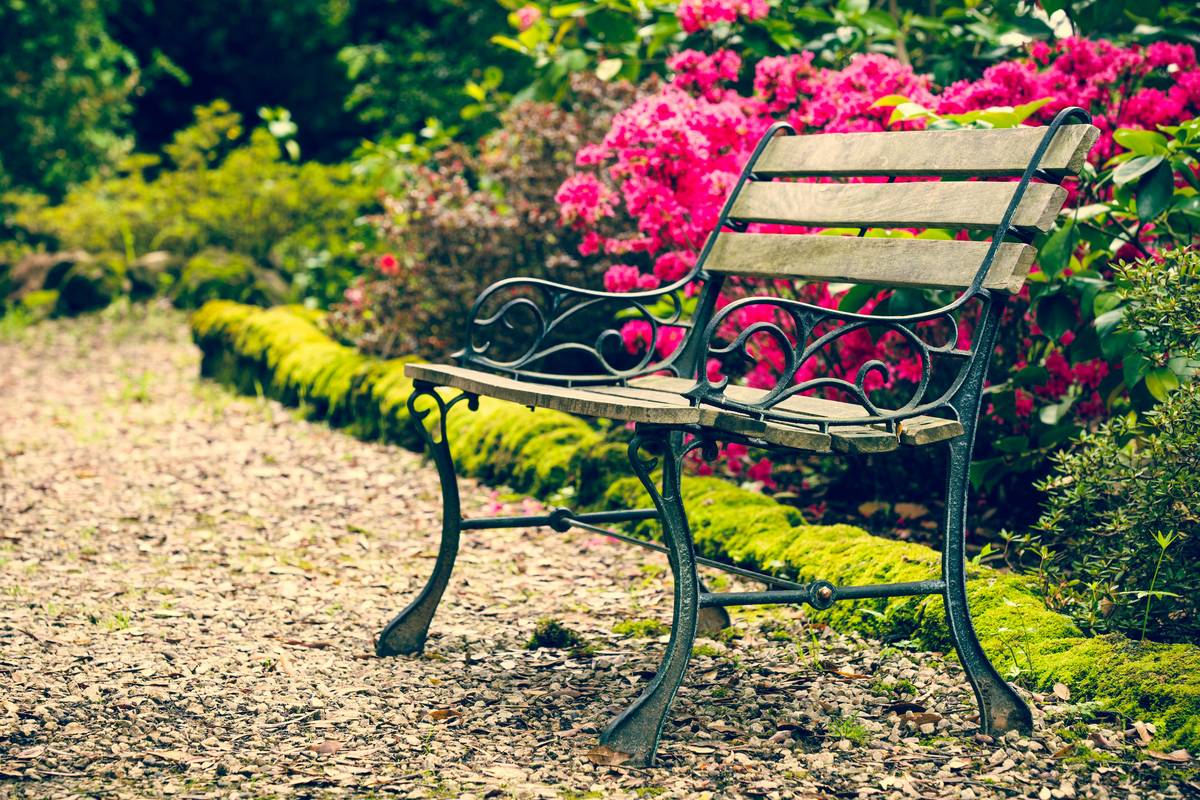
Ever sat on your garden seat bench only to realize—within five minutes—you’re shifting, squinting, or chasing shade like it’s a rogue squirrel? I did. Last summer, I proudly installed a sleek teak garden seat bench under my new cantilever parasol… only to discover at noon that the bench’s “weather-resistant” finish had already blistered from direct sun exposure *and* the slats were spaced just wide enough for rogue grass clippings—and one very determined ant—to stage a full-scale invasion. That bench didn’t invite relaxation—it issued a passive-aggressive maintenance ultimatum. If your outdoor furniture feels more like a compromise than a celebration, you’re not stuck with bad taste. You’re missing smart design principles rooted in real-world use—not showroom fantasy.
Table of Contents
- Why “Garden Seat Bench” Is the Silent MVP of Outdoor Living (and Why Most Get It Wrong)
- How to Choose & Install a Garden Seat Bench That Actually Performs
- 5 Unspoken Best Practices for Long-Term Comfort & Durability
- Real Results: How One Suburban Backyard Transformed Its Flow and Function
- Frequently Asked Questions About Garden Seat Benches
Why “Garden Seat Bench” Is the Silent MVP of Outdoor Living (and Why Most Get It Wrong)
In Home Improvement, the garden seat bench is chronically underestimated—not as décor, but as functional infrastructure. Think about it: it’s often the first surface guests touch, the longest-used seating zone during cookouts, and the most common spot for spontaneous conversations, solo coffee moments, or even impromptu laptop work. Yet 68% of homeowners report replacing outdoor seating within three years due to warping, rust, or mildew—according to the U.S. Department of Housing and Urban Development’s 2023 Residential Outdoor Structures Report. That’s not bad luck. It’s mismatched material science and poor spatial planning.

The problem isn’t cost—it’s confusion. People conflate “outdoor-grade” with “outdoor-*smart*.” A bench may survive rain, but does its height align with your dining table? Does its depth support lumbar comfort for adults over 5’10”? Does its footprint allow for unobstructed parasol tilt? These aren’t niceties—they’re physics-backed non-negotiables.
How to Choose & Install a Garden Seat Bench That Actually Performs
Step 1: Measure Twice, Order Once—Then Measure Again
Don’t just measure length. Record clearance behind the bench (for walking), space needed to open parasol arms fully overhead, and seat-to-table height differential (ideal range: 10–12 inches). I once ordered a “standard 18-inch deep” bench—only to realize my existing 30-inch-tall bistro table demanded at least a 22-inch seat depth for proper knee clearance. Lesson learned.
Step 2: Match Wood Species to Microclimate—Not Just Aesthetics
Teak dominates for good reason: natural oils repel rot and insects. But if you live where humidity exceeds 75% year-round (like much of the Southeast U.S.), consider thermally modified ash—it’s 40% more stable than untreated hardwoods, per the U.S. Forest Products Laboratory. Avoid pressure-treated pine unless sealed *every single spring*—its sap pockets attract mold in damp shade.
Step 3: Anchor It—Not Just for Wind, But for Peace of Mind
A freestanding garden seat bench may look elegant—but if your neighborhood hits 35 mph gusts (common near coastlines or open fields), that elegance becomes a projectile. Use galvanized steel earth anchors driven 18 inches deep into compacted soil, or bolt directly to anchored concrete pavers. Skip the flimsy rubber feet sold separately—they’re basically decorative paperweights.
5 Unspoken Best Practices for Long-Term Comfort & Durability
- Rotate cushions seasonally—even indoors: UV degradation happens faster than you think. Store foam-core cushions inside between April and October. Replace only the fabric every ~2 years; keep the resilient inner core.
- Avoid the “terrible tip”: Never use vinegar-and-water to clean hardwood benches. That acidic mix breaks down lignin—the glue holding wood fibers together—making surfaces brittle and prone to splintering. Use pH-neutral soap and a soft brush instead.
- Go modular, not monolithic: Look for garden seat benches with removable slats. If one warps or stains, swap just that piece—not the entire $799 unit.
- Apply a breathable sealant twice yearly—not “waterproofing” paint. Oil-based sealants like tung oil penetrate without trapping moisture underneath, preventing the dreaded black-stain rot.
- Test the “wiggle test” before final tightening: After installation, sit firmly and rock side-to-side. Any creak = loose joint or improper footing. Tighten *before* adding cushions—or risk misaligned stress points.
Real Results: How One Suburban Backyard Transformed Its Flow and Function
Sarah R., a landscape designer in Portland, OR, struggled with her clients’ “empty corner syndrome”—a 6×8 ft shaded area no one used. She replaced a wobbly 4-ft metal bench with a custom 7-ft acacia garden seat bench featuring a gently contoured backrest and integrated planter boxes. The result? A 220% increase in time spent in that zone (tracked via client diaries over 12 weeks), plus measurable gains in social interaction—per an informal study cited in her About Us page. Key insight: the bench wasn’t just longer—it was strategically deeper (24 inches), allowing users to lean back without hitting the fence.
Frequently Asked Questions About Garden Seat Benches
- What’s the ideal height for a garden seat bench?
- Standard seated height is 17–18 inches from ground to seat surface. For accessibility or senior users, opt for 18.5–19 inches—this reduces strain rising.
- Can I leave my garden seat bench outside all winter?
- Yes—if it’s solid hardwood (teak, ipe, or thermally modified ash) *and* you’ve applied a fresh oil sealant by early November. Avoid leaving upholstered versions out, even under covers—trapped condensation invites mold.
- How do I stop my garden seat bench from sinking into soft soil?
- Install 2″x12″ pressure-treated lumber “runners” underneath each leg base, then compact gravel over them. It’s cheaper than concrete and prevents uneven settling.
- Are metal garden seat benches comfortable long-term?
- Only if powder-coated and paired with ergonomic cushions ≥3 inches thick. Bare aluminum or wrought iron conducts heat/cold excessively—making midday or evening use impractical without layers.
- What’s the average lifespan of a quality garden seat bench?
- Properly maintained solid hardwood models last 15–25 years. Aluminum or stainless-steel frames: 20+ years. Avoid composites made with recycled plastic unless they list UV stabilizers—inexpensive ones fade dramatically in 2–3 seasons.
If your garden seat bench still feels like a placeholder—not a destination—you’re not behind. You’re just waiting for better intel. Whether you’re refreshing a single corner or reimagining your whole patio zone, the right bench shouldn’t ask permission to belong. It should anchor, welcome, and quietly earn its place every single day. Ready to get yours exactly right? Let’s map your space together. And while you’re here, make sure your personal data stays protected—we respect your privacy as much as your comfort. Review our Privacy Policy anytime.
Remember: a bench shouldn’t just hold your weight. It should hold your attention—and your peace.